
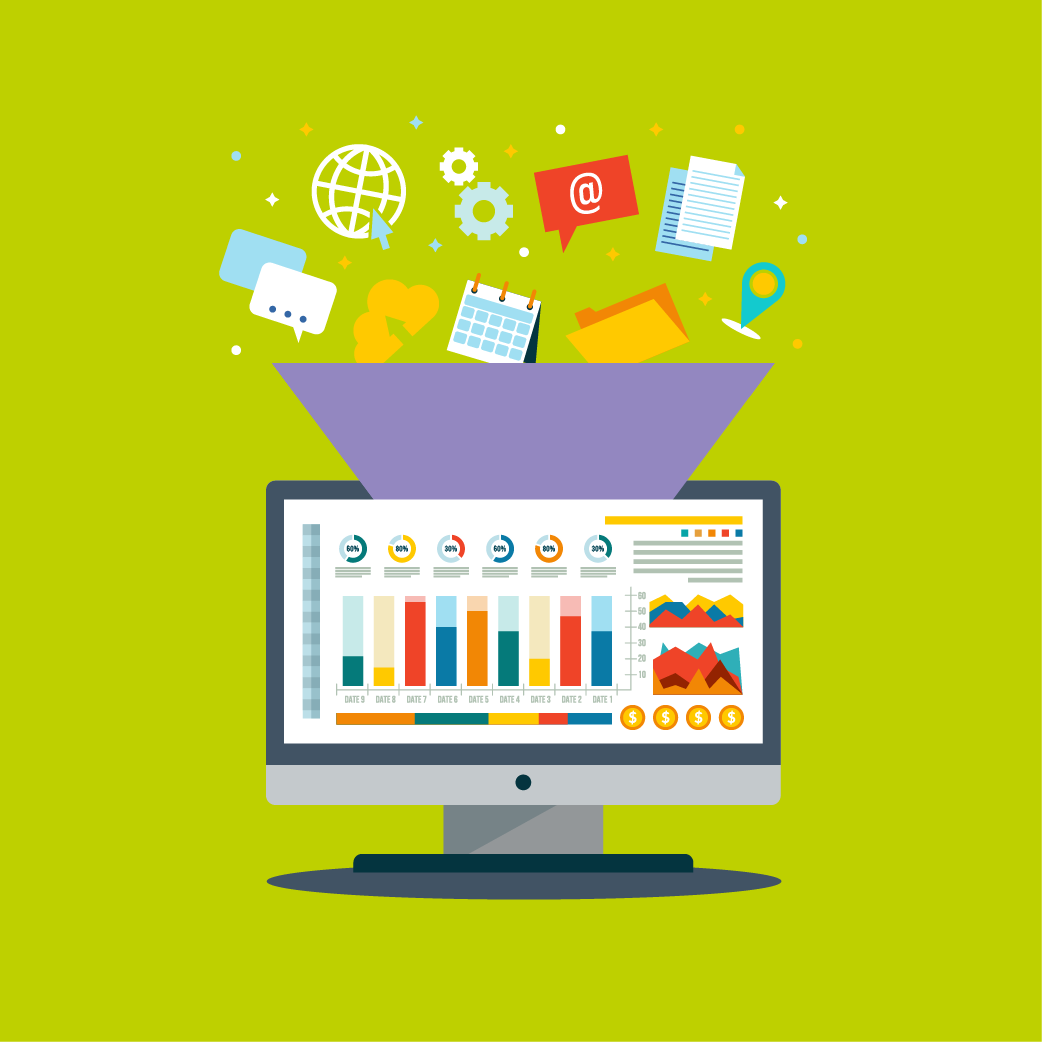
Big data affects business.
Big data significantly influences the business environment in today’s digital era. By utilizing data analytics and business intelligence, organizations can extract valuable insights about their customers, which inform their strategic decisions. This ability enables companies to gain a comprehensive understanding of consumer behavior and preferences, leading to more personalized marketing strategies and improved product offerings. Additionally, the use of predictive analytics allows businesses to foresee market trends, empowering them to take proactive measures that enhance customer experiences. Effective data visualization techniques are essential, as they help stakeholders easily interpret complex data sets, promoting informed decision-making. As more companies embrace data-driven strategies, they foster a culture that emphasizes evidence-based practices, ultimately boosting operational efficiency and securing a competitive edge in their industries. Adopting big data technologies, such as cloud computing and machine learning, further enhances these initiatives, ensuring that organizations stay agile and responsive to evolving market conditions.
Understanding the impacts of big data on business is crucial in today’s digital environment. The rapid growth of information has resulted in a vast amount of data that organizations can harness effectively. This expanding data landscape offers significant opportunities across various industries, enabling companies to uncover insights that were previously unattainable. For the first time, large enterprises and multinational corporations can analyze and utilize this extensive data to gain a deeper understanding of consumer behavior and market trends. The influence of big data on business operations is profound, enhancing decision-making processes and promoting data-driven strategies that improve overall performance. By integrating data analytics and business intelligence, companies can navigate market dynamics more adeptly and optimize their operations. Embracing technologies such as cloud computing and machine learning further enhances their capabilities in data visualization and predictive analytics, ultimately boosting operational efficiency. Additionally, focusing on data governance and real-time data management allows businesses to maintain data privacy and security while maximizing the benefits of big data technologies.
Organizations can leverage data analytics and business intelligence tools to gain crucial insights into consumer behavior, significantly enhancing their marketing strategies. This approach improves targeting techniques and employs advanced data visualization to effectively showcase market trends. Cloud computing is essential in this process, providing real-time access to extensive data sets, which streamlines research and accelerates decision-making. As more companies embrace big data technologies, they become adept at navigating competitive markets and making informed decisions that foster growth and innovation. Additionally, utilizing predictive analytics to analyze consumer behavior enables businesses to foresee market shifts and adjust their strategies accordingly. By adopting these data-driven strategies, organizations not only enhance their operational efficiency but also position themselves to seize new opportunities within their industries. Strong data governance, coupled with a commitment to data privacy and security, is vital as businesses navigate this constantly changing landscape.
Understanding the big data business impacts is vital for developing effective strategies. Organizations that harness big data can significantly influence their outcomes, affecting everything from small local enterprises to large multinational corporations. In today’s fast-changing business environment, big data provides essential insights into consumer behavior, brand engagement, and emerging technological trends, as well as the evolving preferences shaped by various influences. By employing data analytics and business intelligence, companies can create data-driven strategies that enhance decision-making and deepen their understanding of customer needs. Furthermore, incorporating predictive analytics and cloud computing into these approaches can improve operational efficiency and overall performance, while also prioritizing data governance and security. Adopting big data technologies not only facilitates real-time data analysis but also equips businesses to effectively adapt to future market trends.
Organizations can harness the significant impacts of big data on business by effectively utilizing data analytics and business intelligence to gain critical insights into consumer behavior. This strategy enables them to tailor their products and marketing efforts with greater accuracy. By fostering a data-driven culture, companies not only enhance customer engagement but also markedly boost operational efficiency. Furthermore, leveraging advanced tools for data visualization and predictive analytics allows businesses to identify emerging market trends and anticipate customer needs, providing a crucial competitive advantage in the fast-evolving landscape influenced by big data technologies. Implementing real-time data management and establishing robust data governance practices can assist organizations in refining their strategies and improving decision-making processes, ultimately driving success across various industries, including healthcare, finance, and retail. Embracing cloud computing and machine learning technologies can further enhance these benefits, ensuring that organizations stay agile and responsive in an increasingly data-focused environment.
As organizations increasingly embrace cloud computing solutions, they significantly improve their ability to access and analyze vast amounts of data in real time. This enhanced capability allows them to swiftly adapt to changing market trends and shifts in consumer behavior. By utilizing big data technologies, businesses can make informed, data-driven decisions that drive growth and ensure long-term success. Integrating data analytics and business intelligence into their strategies provides companies with critical insights into consumer behavior, enabling them to respond effectively to market dynamics. Additionally, employing predictive analytics and machine learning sharpens these insights, encouraging more proactive decision-making. It is essential to prioritize data governance and data privacy to maintain trust and security in today’s data-driven landscape, especially in key sectors like healthcare, finance, and retail. Emphasizing operational efficiency through data visualization and real-time data management further enhances a company’s competitive edge.
By utilizing data analytics and business intelligence, organizations can obtain crucial insights into consumer behavior, revealing the complexities of audience interactions. This understanding allows businesses to adapt to changing consumer preferences, ultimately enhancing the overall customer experience. Furthermore, employing predictive analytics and data visualization tools enables companies to anticipate market trends and make informed strategic decisions that drive growth and innovation. In today’s data-driven environment, effectively harnessing big data technologies like cloud computing and machine learning is essential for maintaining a competitive advantage and achieving sustainable success. Emphasizing data governance and real-time data management can further improve operational efficiency and strengthen data privacy, ensuring that businesses are prepared to address future challenges across various industries, including healthcare, finance, and retail.
If thesedata points wWhen utilized effectively, big data significantly enhances a business’s ability to make informed and proactive decisions, ultimately improving operational efficiency. By leveraging data analytics and business intelligence, organizations can uncover critical insights into consumer behavior and preferences, resulting in substantial enhancements to their products and services. This strategy not only refines current offerings but also reveals new market opportunities that align with customer needs. Furthermore, the use of predictive analytics allows businesses to foresee trends and consumer demands, enabling them to maintain a competitive advantage. Data visualization tools play a crucial role in clearly conveying these insights, helping decision-makers quickly grasp complex information. Additionally, the integration of cloud computing solutions enhances the accessibility and scalability of big data technologies, facilitating data-driven strategies across various industries, including healthcare, finance, and retail. Ultimately, the strategic implementation of big data cultivates a culture of agility and innovation, empowering companies to adapt effectively to changing market trends and utilize consumer insights for sustained growth.
Understanding the big data business impacts is crucial for companies looking to enhance their growth and expansion strategies in response to evolving market demands. Tailored marketing and advertising initiatives can effectively engage consumers, leading to higher conversion rates. By utilizing predictive analytics, businesses can forecast market trends and uncover new opportunities, ensuring they remain competitive. Furthermore, implementing data visualization techniques allows stakeholders to grasp complex data insights easily, which improves decision-making processes. Ultimately, leveraging big data drives innovation and promotes a customer-focused approach, significantly boosting overall business performance. Embracing data-driven strategies can provide valuable insights into consumer behavior and enhance operational efficiency, making it essential for modern enterprises.
The impact of big data on businesses is a well-recognized phenomenon that has evolved significantly over time. It has become a vital resource for organizations aiming to analyze and interpret vast amounts of information. Today, companies utilize advanced infrastructures and services to fully leverage this extensive data. By employing data analytics and business intelligence, businesses can uncover valuable insights into consumer behavior and identify emerging market trends. This data-driven approach enhances decision-making processes and fosters success. Furthermore, the integration of predictive analytics and cloud computing strengthens the big data business impacts, allowing organizations to maintain a competitive edge in their industries. Implementing real-time data management and effective data governance further supports these efforts, ensuring data privacy and security while improving operational efficiency.
By utilizing data analytics, businesses can gain crucial insights into consumer behavior that guide strategic decisions and improve overall business intelligence. Sophisticated data visualization methods enable organizations to identify emerging trends and changes in consumer behavior, turning complex data into clear, actionable insights. This proactive strategy not only strengthens their competitive advantage but also fosters deeper engagement with customers and stakeholders across various industries, such as retail, healthcare, and finance. Furthermore, incorporating predictive analytics allows companies to anticipate market trends and adapt their strategies accordingly, ensuring they remain ahead of competitors. Embracing big data technologies in conjunction with cloud computing solutions supports scalable data management and analysis, empowering businesses to make informed, data-driven decisions that enhance operational efficiency and elevate customer satisfaction. Ultimately, leveraging these insights results in more effective marketing strategies and improved performance in a fast-evolving marketplace.
Unlimited subscription £49.99
Now only £35
For Limited Period
READY TO DIVE DEEPER?
One subscription, unlimited UK Company search and downloads.
Sign up to a simple membership plan that gives you unlimited access to predefined dashboards allowing for different analysis and views into critical sales and business intelligence.
Related Posts

February 19, 2024
Check Company Ownership insights with DataEco With recentnews of tighter legislation being passed through the houseMany individuals frequently seek information about company ownership [...]
February 19, 2024

September 6, 2021
Analyze a company's competitors using DataEco. So how do you rank? Over the past year, numerous companies have prioritized survival, frequently neglecting the significant external [...]
September 6, 2021

May 19, 2021
Companies House Check with DataEco So what is the importance of Companies House? Companies House serves as the official [...]
May 19, 2021

December 8, 2020
Ltd Company Check with DataEco So why do we have Limited companies and what is the difference? A ‘Ltd’ or ‘Limited’ company is [...]
December 8, 2020

November 30, 2020
To check a UK company name, it is crucial to ensure that the name you are considering meets the standards for UK company [...]
November 30, 2020
November 18, 2020
UK Company Search Performing a UK Company Search depends significantly on the tools available and how well the data is organized for easy [...]
November 18, 2020

November 16, 2020
B2B Data Providers UK B2B data providers in the UK have existed in various forms for many years. In the past, marketing teams [...]
November 16, 2020

November 12, 2020
UK Economy Bounces Back Recent observations show that the UK economy is progressing significantly towards recovery. This encouraging trend highlights a resurgence across [...]
November 12, 2020

October 29, 2020
UK Companies and Industries at Risk This year has brought considerable challenges, creating uncertainty about which UK companies are at risk of failure. [...]
October 29, 2020
May 14, 2020
Segmentation of UK businesses An online search reveals a wealth of articles on marketing segmentation, yet there is a significant gap in information [...]
May 14, 2020